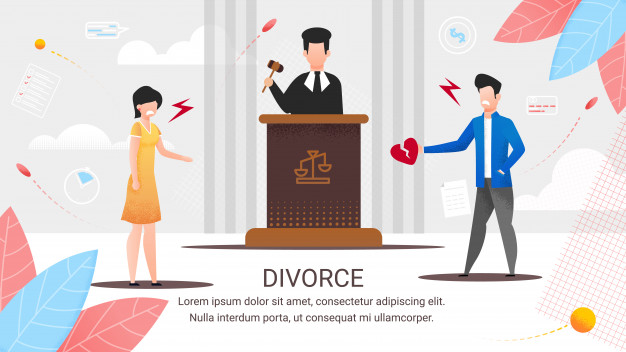
How Post-nuptial Agreements Can Prevent Divorce

In addition to decades of arbitration experience, mediator David Musselman holds an advanced degree in conflict resolution and mediation. Since founding Common Ground Divorce Services of Utah in 2004, David Musselman has provided mediation services in diverse areas of family law, including post-nuptial agreements.

Post-nuptial agreements are drafted after marriage to clarify the division of certain assets in the event that a relationship dissolves. Not only can post-nuptial agreements reduce conflict if a couple chooses to divorce, but they can also save a struggling marriage. These agreements are usually drawn up when the couple is in an emotionally healthy state and includes terms that are accepted by both parties.

Couples who have a post-nuptial agreement in place are less likely to have disputes over finances. Since contentious decisions such as asset division are determined through the agreement, couples have more energy to devote to solving their marital issues. According to figures from Common Ground Divorce Services of Utah, a post-nuptial agreement significantly improves the likelihood of marriage reconciliation.

Modifying a Divorce Decree in Utah

As the founder of Common Ground Divorce Services of Utah, David Musselman serves as the lead mediator for clients in various stages of divorce proceedings. Additionally, David Musselman offers mediator services for post-divorce modifications.

After a divorce agreement is finalized, either party may request a modification that involves spousal support, custody, or other arrangements. Some of the common reasons for decree modifications are changes in family needs, remarriage, and significant changes to the personal economy.

The first step in requesting a modification is filing a petition. In this document, the petitioner must describe the things they want to be changed, how they would like them changed, and the reasons for requesting the change.

The petition must be filed at the courthouse where the divorce proceedings were decided. After this, the other spouse must be notified, and mediation should be arranged. If the modifications are not agreed upon in mediation, the case will be decided by the court.

Remote Services at Common Ground Divorce Mediation

168958063

Guiding Common Ground Divorce Mediation, divorce mediator David Musselman serves clients across Utah and beyond. During a time of disrupted court schedules, David Musselman emphasizes the importance of having an experienced mediator on hand. His approach expedites what could be an unusually protracted process and provides amicable solutions that save his clients significant amounts of money.

Today, many mediation proceedings are being conducted in video conferences with physical documents sent by mail or through a secured drop box at the Sandy office of Common Ground Divorce Mediation.

With the Common Ground Divorce Mediation team set up to seamlessly handle remote working contingencies, the process is streamlined and accessible. For the past five years, the firm has augmented its in-person services with video conference divorce mediation services for clients around the world.

The video conference approach typically expedites the divorce process significantly and adds a greater sense of emotional safety for divorcing spouses than face-to-face meetings.

Divorce in Utah – Dividing Retirement Plans

With 25 years of experience as a mediator, David Musselman is the founder and owner of Common Ground Divorce Services of Utah. Mediator David Musselman provides his clients with a number of services, including resources relating to the equitable division of marital property.

Any contributions made during a marriage are considered marital property, including any retirement plans. Military retirement plans, 401(k)s, employer-sponsored benefits, and any defined payment or benefit plans are just a few types of plans that can be considered assets if they were attained during the marriage.

When dividing assets, Utah divorce law stipulates that a spouse can make a claim on retirement accrued during the marriage, so any retirement savings accrued before or after the marriage is off limits.

Typically, the law will allow spouses to keep their own retirement savings if they have individual plans. In the event that one spouse does not have any savings, they are usually awarded something of equal value (e.g., cash) while the spouse with the retirement savings keeps the account. If there is nothing of equal value, then the benefits may be split. This works when the couple divorces amicably, but when there is some contention as it relates to pension plan funds, the court applies a formula established under Woodward v. Woodward.

The formula involves halving the value of the account, multiplying it by marriage years, and taking this number and dividing it by the years the beneficiary worked. However, this formula can be impacted by other factors such as whether the funds were concealed from the other spouse, separation date, and other mitigating factors.

How Much Does Divorce Cost in Utah?

Husband signing divorce decree giving permission to marriage dissolution, closeup Free Photo

David Musselman, an alumnus of the University of Utah, is an experienced divorce mediator. Currently, David Musselman leads Common Ground Divorce Services, a mediation company based in Utah. The company focuses on providing mediation as a more affordable alternative to court-based divorce processes.

In Utah, the average cost of a divorce is $13,200. Of that sum, $10,400 is typically allocated to lawyers’ fees. The fees and rates of paralegals are also part of court-based divorce costs, as are fees of any other firms that work on the case. Court-based divorce processes also involve costs related to court filings and the sharing and copying of documents. Finally, fees for child custody consultants, appraisers, and other expert witnesses may also factor into the final cost of a divorce.

Certain circumstances can drive the cost of a divorce far above the average sum. These include costs related to children who are minors, and divorces in which one party is deemed at fault. This latter situation occurs in cases of habitual drunkenness, adultery, domestic violence, or abuse, among other situations. Finally, if the parties involved in a divorce have issues related to the division of property, divorce costs can increase significantly.

Amicable Real Estate Resolution with the Help of a Divorce Mediator

With longtime experience as a divorce mediator, David Musselman is the founder and president of Common Ground Mediation, a mediation firm that serves the state of Utah. David Musselman has worked as a mediator for the past 25 years, being an expert in alimony buyout, visitation, and real estate in divorce proceedings.

Typically, divorces tend to come with disputes over significant assets bought after marriage. The biggest shared asset of a couple is often the primary residence. The recommendation is first to try to resolve the dispute without going to court, even if both parties hope to retain ownership of the house.

Such a real estate dispute is amicably resolved through one of three common scenarios. The first is that one of the parties buys legal interest from the other and keeps the home. The second is that one of the parties continues to use the house until a specified period, after which it must be sold. Alternatively, the house is sold immediately, allowing for a splitting of the equity.

The two last scenarios involve selling the house. The funds from this sale can be divided in proportion to the initial investment of each of the parties. This process can be mediated without the need of an attorney, by a divorce mediator. The divorce mediator can also assist in many other aspects of separation, like the legal and the emotional facets of divorce.

Design a site like this with WordPress.com
Get started